
How to Check If Someone Was in the Military? 7 Ways
Verifying someone’s military service can become essential in many everyday situations, from processing rental applications and background checks to preparing legal filings or confirming a person’s veteran status. Accuracy matters because claiming service without proof can lead to legal consequences and undermine the integrity of those who truly served.
Military verification plays a key role in protecting both organizations and individuals. It ensures compliance with federal laws such as the Servicemembers Civil Relief Act (SCRA) and prevents misuse of military benefits. For businesses, landlords, or attorneys, confirming active duty status helps avoid costly mistakes or potential legal violations.
This guide will walk you through legitimate, legal methods to check military service records and confirm a person’s military status.
Key Takeaways
- DD214 and SCRACVS verification remain the two most dependable ways to confirm military service.
- SCRACVS serves as the best option for landlords, lenders, and attorneys seeking court-accepted verification.
- DMDC and NPRC are valid alternatives, though access can be limited and response times longer.
- Privacy laws protect sensitive service information, ensuring only authorized parties can request or view detailed records.
- National Archives provides public access to military service records older than 62 years.
7 Ways to Check if Someone Was in the Military
1. Verify Through the SCRA Centralized Verification Service (SCRACVS)
The most dependable way to confirm whether someone is on active duty in the military is through the Service Members Civil Relief Act Centralized Verification Service (SCRACVS). This service verifies if an individual is currently on active duty under the Servicemembers Civil Relief Act (SCRA).
It ensures compliance with federal law for landlords, lenders, and attorneys before initiating any legal action, such as evictions, foreclosures, or court filings.
To begin the process, you can submit a verification request by providing the person’s name, date of birth, and Social Security number if available. If you do not have the individual’s date of birth or Social Security Number, you can still place an order with alternative information, such as previous or current addresses, relatives, phone number, etc. SCRACVS connects directly with the Department of Defense’s Defense Manpower Data Center to confirm active duty status. After the search, you receive an emailed verification and official affidavit that serves as proof of a person’s military status.
SCRACVS stands out for its efficiency, accuracy, and convenience. It remains the go-to option for professionals needing dependable verification to support compliance and ensure lawful handling of all military-related matters.
2. Request the DD Form 214 (Certificate of Release or Discharge from Active Duty)
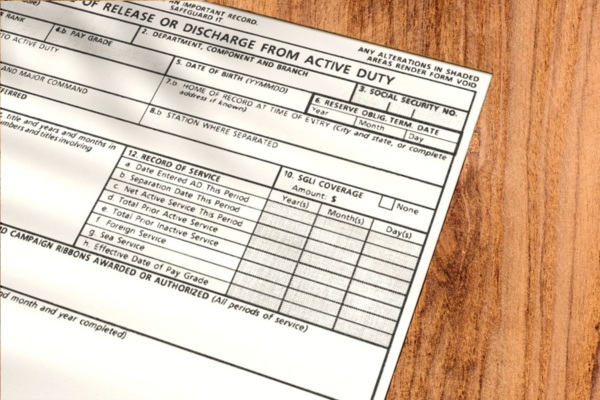
The DD Form 214 is the most trusted and widely recognized document for confirming a person’s military service. It provides a complete summary of an individual’s service record, including their full name, branch of service, rank, service dates, and type of discharge.
The form also lists the veteran’s military occupational specialty, training history, and any awards or honors earned during active duty.
If the individual has their DD214, you can request that they share a certified copy with you directly. When it is unavailable, the veteran or their next of kin can request it through the National Personnel Records Center (NPRC). The NPRC maintains official military personnel files, which include DD214 forms, service records, and occasionally related medical records.
Requests can be made online, by mail, or by fax, depending on the veteran’s preference.
Keep in mind that the Privacy Act of 1974 restricts access to detailed military service records without consent. This means discharge type and other sensitive information can only be released to the veteran or authorized family members.
For verification purposes, always ask for the “Member 4” copy of the DD214, as it includes the discharge classification and other essential details often required in legal or employment reviews.
3. Submit a Request to the National Personnel Records Center (NPRC)
The National Personnel Records Center (NPRC) is the federal archive responsible for maintaining all U.S. military personnel records. It holds millions of official military personnel files documenting service members’ careers, including their branch, rank, service dates, awards, and training details.
These records are vital for verifying a person’s military status, accessing veterans’ benefits, or supporting legal documentation needs.
There are several ways to request records:
- Online: Submit a request through eVetRecs, the official National Archives system.
- Mail or Fax: Complete and send Standard Form 180 (SF-180) to the appropriate address listed on the form.
When submitting a request, you must include the veteran’s full name, service number or Social Security number, branch, and service dates, along with your relationship to the veteran. Only the service member or their next of kin may request detailed records.
The NPRC’s typical processing time ranges from four to ten weeks, depending on the record’s age and complexity. The response may include basic information such as service dates, branch, and rank, or a full service record if authorization is provided. Records older than 62 years are considered archival and are open to the public through the National Archives for research and verification purposes.
Always ensure accuracy when filling out the request, as submitting false information violates federal law (18 U.S.C. §1001) and may lead to penalties.
4. Use the Defense Manpower Data Center (DMDC) Military Verification Service

The Defense Manpower Data Center (DMDC) serves as the Department of Defense’s internal database for verifying active duty status. It is the same data source used by SCRACVS to confirm whether an individual is currently serving in the military.
The DMDC’s Military Verification Service allows users to check active service information online, offering a free option for those who have accurate personal details for verification.
To perform a search, you’ll need the individual’s full name, date of birth, and ideally, their Social Security number. The system confirms only whether someone is currently on active duty and does not include information about past military service, discharge type, or veteran status. Because of this, it is most useful for verifying present service members rather than veterans or retirees.
Although the DMDC provides official data, it has limitations. It does not issue certified affidavits, and its responses are not considered court-accepted documentation.
For professionals who require legally recognized proof of military service, such as landlords, law firms, or financial institutions, the better option remains the SCRACVS verification system, which uses DMDC data but provides certified, court-approved verification certificates.
5. File a Freedom of Information Act (FOIA) Request
The Freedom of Information Act (FOIA) grants the public the right to request access to specific federal records, which can include certain details about an individual’s military service. It is a valuable tool when you need to confirm that someone served in the Army, Navy, Air Force, Marine Corps, or Coast Guard, but does not have their consent to view complete personnel files.
Through a FOIA request, you can usually obtain basic service details such as the veteran’s branch, rank, and dates of service. In some cases, details about awards and decorations may also be released if they are not restricted by privacy regulations.
Information like discharge classification, disciplinary history, or medical records remains protected under the Privacy Act of 1974 and cannot be shared without consent.
This method is best used when consent is unavailable and the service member’s discharge occurred more than 62 years ago, since older files are classified as archival and open to the public.
All FOIA requests related to military records should be directed to the National Archives FOIA Office, either through its website or by mail, with complete identifying details to ensure an accurate response.
6. Verify Through Public and Archival Military Records

Once a military record reaches 62 years after discharge, it transitions into the public domain and is preserved as an archival record under National Archives regulations. At this stage, anyone can request access to the file without authorization, making it one of the easiest ways to confirm a veteran’s service from earlier decades.
Archival records often contain a complete snapshot of a person’s military service, including service dates, rank, awards, discharge classification, and even court martial summaries. These documents are especially valuable for those conducting genealogical research, building historical reports, or organizing veteran recognition projects.
You can locate these files by searching the National Archives Catalog or by visiting the National Personnel Records Center in St. Louis, Missouri. Since this category primarily includes pre 1963 military records, it is best suited for verifying long completed service rather than current or recent military status.
7. Ask the Individual Directly for Proof of Service
Sometimes, the most straightforward way to verify military service is to ask the individual directly. Many service members and veterans keep personal copies of their DD214, NGB Form 22 for National Guard members, or official military identification cards.
These documents provide verified details such as branch, service dates, and discharge classification, making them suitable for most background or eligibility checks.
When requesting these records, always approach the conversation respectfully and maintain professionalism. Employers, landlords, or attorneys should handle all provided materials in compliance with privacy laws and store any sensitive military documents securely. This protects both parties and prevents unauthorized disclosure of personal information.
It’s also essential to recognize that falsifying military service is a serious federal offense under the Stolen Valor Act of 2013, which penalizes individuals who misrepresent their service to gain benefits or recognition.
Direct verification, when handled properly, not only confirms authenticity but also upholds integrity in professional and legal proceedings.
Privacy and Access Limitations
All military service records are safeguarded under the Privacy Act of 1974 and FOIA Exemption 6, which protects personal information from unauthorized disclosure. These laws ensure that sensitive details about a service member’s history are shared only with eligible individuals.
Full access to service records is restricted to the veteran, their next of kin, or a legally authorized representative. Anyone else can only obtain limited confirmation, such as proof of service, branch, or dates of duty.
Private background check agencies are also prohibited from releasing military information without explicit authorization, maintaining confidentiality, and complying with federal law.
The table below outlines what information is publicly accessible versus what remains protected:
| Publicly Accessible Information | Protected Information |
|---|---|
| Branch of service | Type of discharge |
| Dates of service | Medical records |
| Rank or pay grade | Disciplinary actions |
| Awards and decorations (if public) | Social Security number |
| Archival records over 62 years old | Address and contact details |
Verify Military Service the Right Way
Confirming military service is not just a formality, as it’s a matter of accuracy, compliance, and respect for those who have served. Every verification step, from reviewing public archives to filing federal record requests, ensures that the truth is established through proper legal channels while upholding the privacy protections guaranteed by federal law.
While there are multiple ways to confirm a person’s service, only a few provide both speed and legal reliability. For landlords preparing lease actions, lenders reviewing loan applications, or attorneys managing court filings, the most efficient and accessible option is the SCRA Centralized Verification Service. It delivers official, court-accepted results drawn directly from the Department of Defense database.
To confirm military status accurately and securely, use the official SCRA Centralized Verification Service. Check through SCRACVS today and receive certified verification trusted by courts, lenders, and legal authorities nationwide.


